
Wyoming’s Bighorn Basin: Crossroads of Native Heritage, Frontier Conflict, and Western Expansion
The Bighorn Basin’s western history is a story shaped by Indigenous cultures, exploration, conflict, ranching, resource booms, and the enduring spirit of the American West. Long before settlers arrived, the basin was home to Native peoples for thousands of years, including ancestors of today’s Crow, Eastern Shoshone, Northern Arapaho, Cheyenne, and Lakota. Archaeological sites such as Legend Rock, with petroglyphs dating back at least 10,000 years, preserve evidence of deep cultural roots and spiritual traditions across the region’s canyons and plains. The Wyoming State Historic Preservation Office’s Legend Rock overview highlights the basin’s importance as a long inhabited cultural landscape.
For centuries, Native nations used the Bighorn Basin as hunting grounds, trade routes, and seasonal homeland, especially for bison and other game. The arrival of European American fur trappers in the early 1800s introduced the basin to the broader fur trade economy. Explorers such as John Colter, often considered the first mountain man, traveled through the greater Yellowstone and Bighorn regions after leaving the Lewis and Clark Expedition. The National Park Service’s fur trade history resources document how mountain men and trappers opened the West to further exploration.
By the mid 19th century, the basin became entangled in the broader conflicts of western expansion. Trails, military expeditions, and competition over land intensified tensions between Native nations and the United States government. Nearby events such as Red Cloud’s War and the Battle of the Little Bighorn reflected the broader struggle for control of the northern plains. The Fort Phil Kearny State Historic Site provides context for the Bozeman Trail conflicts that influenced the region.
Following the reservation era and federal land policies, ranchers, homesteaders, and small frontier towns began transforming the basin in the late 1800s. Communities like Buffalo, Basin, Greybull, Worland, and Cody grew through cattle ranching, irrigation, railroads, and agriculture. Buffalo Bill Cody played a major role in promoting nearby northwestern Wyoming and helped shape the region’s identity through irrigation projects and tourism, as detailed by the Buffalo Bill Center of the West.
The 20th century brought oil discoveries, sugar beet farming, rail development, and conservation initiatives that further defined the basin’s economy. Dams, highways, and public lands access connected the basin to broader national growth while preserving iconic landscapes like Bighorn Canyon and Shell Canyon.
Today, the Bighorn Basin remains a living western landscape where Native heritage, frontier resilience, ranching traditions, rodeo culture, and public lands continue to shape daily life. Its history is not just one of cowboys and settlers, but of ancient cultures, contested landscapes, and generations who forged communities in one of Wyoming’s most rugged and storied regions.
Western History Events, Sites, Activities, and More in the Bighorn Basin
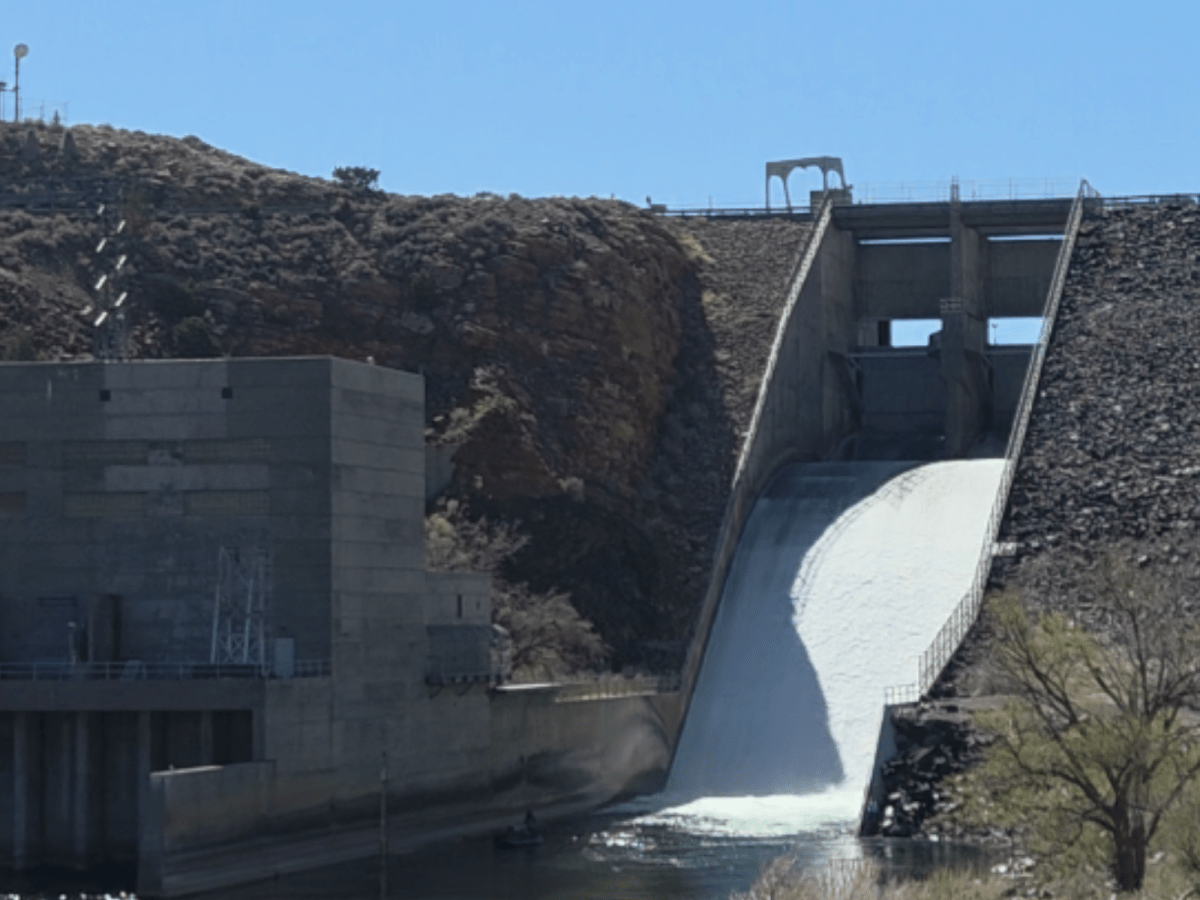
Boysen Dam: Where the Wind River Meets the Bighorn Basin
At the southern entrance to Wind River Canyon, a massive wall of earth and rock holds back one of central Wyoming’s largest bodies of water. Boysen Dam is easy to overlook while traveling between Shoshoni and Thermopolis, but it has played an essential role in the region for more than 70 years. The dam controls…
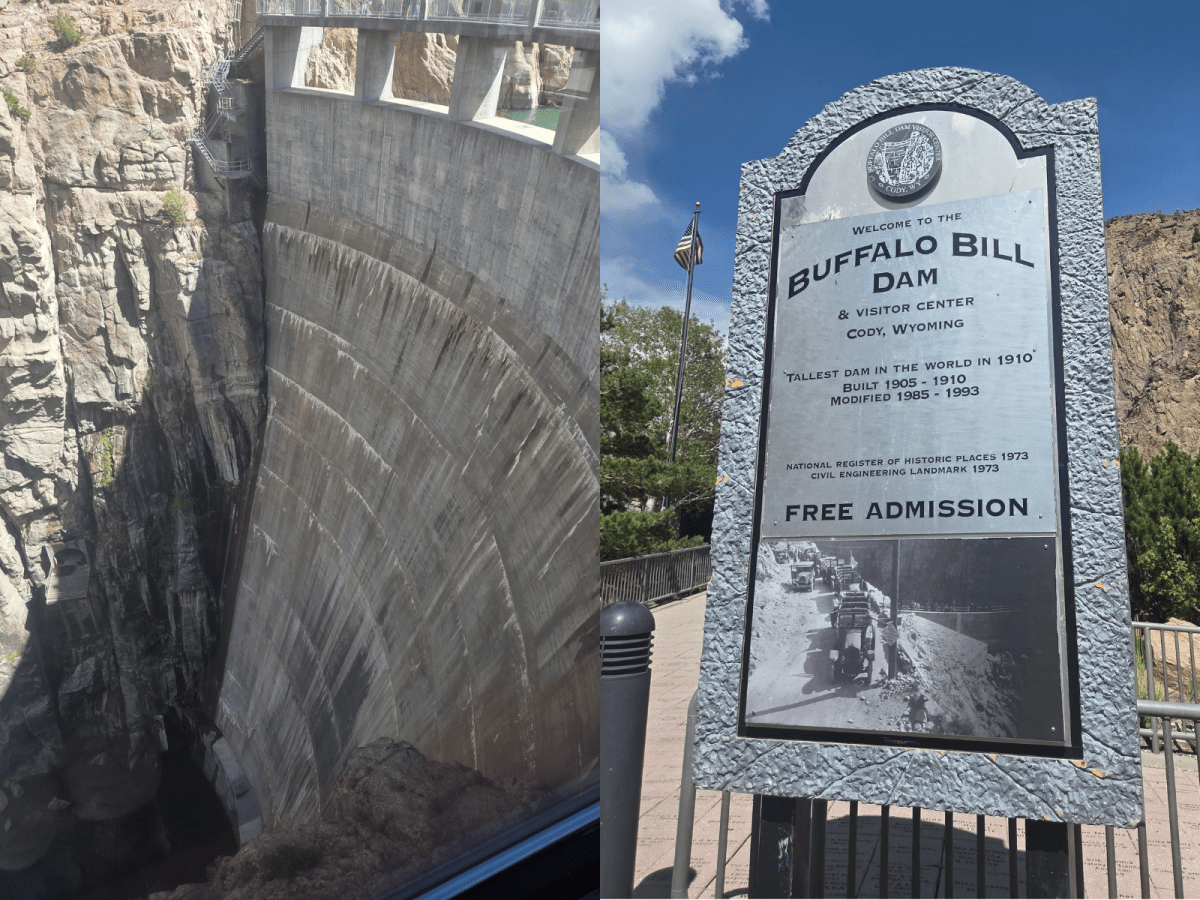
Buffalo Bill Dam: The Engineering Marvel That Helped Shape the Bighorn Basin
Just a few miles west of Cody, where the road to Yellowstone National Park begins climbing into the mountains, stands one of the most remarkable engineering achievements in the American West. Rising dramatically from the narrow walls of the Shoshone Canyon, Buffalo Bill Dam is far more than a scenic stop. It transformed agriculture across…
Kane, Wyoming: The Town Beneath the Waters of Bighorn Lake
If you’ve ever driven west from Lovell toward Bighorn Canyon National Recreation Area, you’ve passed near one of Wyoming’s most intriguing ghost towns. Kane, Wyoming, was once a bustling agricultural and transportation hub where ranchers, railroad workers, merchants, and travelers gathered. Today, much of the former townsite lies beneath the high water marks of Bighorn…

Meeteetse Museums Offers June 13th Guided Tour of Legend Rock Petroglyph Site
Some of Wyoming’s most remarkable stories were never written down. Instead, they were carved into stone. On June 13, visitors will have a rare opportunity to explore one of the state’s most significant archaeological treasures when the Meeteetse Museums hosts guided tours of the Legend Rock State Petroglyph Site led by renowned archaeologist Dr. Julie…
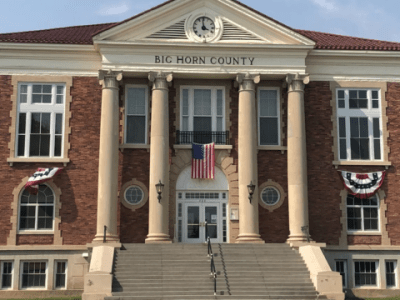
Over A Century of Justice: Big Horn County Courthouse Stands as a Monument to Law, Memory, and Wyoming’s Frontier Past
On June 1, 2018, residents of Basin gathered to celebrate a remarkable milestone: the Big Horn County Courthouse officially turned 100 years old. With an old-fashioned ice cream social, courthouse tours, live music by the Wyoming Fiddlers, and a local history presentation from historian Jeanie Cook, the event honored one of the most enduring civic…

